
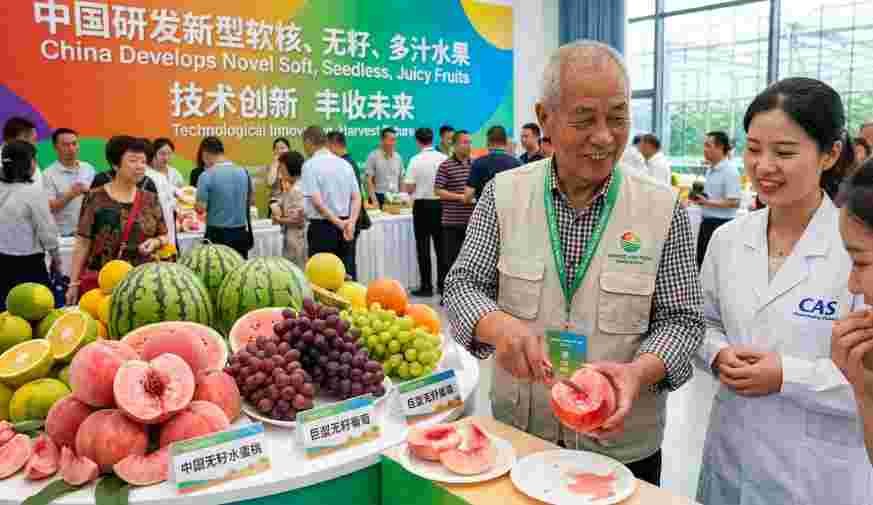
जब हम बाजार में कोई ऐसा फल देखते हैं जो बहुत soft, मीठा, juicy और लगभग बिना बीज का होता है, तो अक्सर हमारे मन में सवाल आता है कि आखिर यह फल इतना अलग कैसे है? क्या इसे किसी मशीन से बनाया गया है? क्या इसमें कोई chemical डाला गया है? या फिर यह कोई genetically modified fruit है?
असल में कहानी इससे कहीं ज्यादा interesting है।
आज modern agriculture में scientists और plant breeders फल की अलग-अलग characteristics को समझकर ऐसी varieties विकसित करते हैं जिनमें बेहतर स्वाद, ज्यादा sweetness, attractive size, juicy texture, soft flesh और कम या बिल्कुल न के बराबर seeds जैसे गुण हो सकते हैं।
China सहित दुनिया के कई देशों में इसके लिए hybridization, selective breeding, cross-pollination और polyploid breeding जैसी techniques का इस्तेमाल किया जाता है।
Hybrid Fruit क्या होता है?
सबसे पहले यह समझना जरूरी है कि hybrid fruit का मतलब GMO fruit नहीं होता।
Hybridization एक breeding technique है जिसमें दो अलग-अलग varieties या genetically compatible plants को cross किया जाता है ताकि उनकी कुछ desirable characteristics अगली generation में मिल सकें।
मान लीजिए एक variety का fruit बहुत sweet है लेकिन उसका size छोटा है। दूसरी variety का fruit बड़ा है लेकिन उसका स्वाद उतना अच्छा नहीं है।
Plant breeders कोशिश कर सकते हैं कि इन दोनों के useful traits को एक नई variety में combine किया जाए।
इसके लिए controlled pollination की जाती है और फिर पैदा होने वाली plants की कई generations में selection किया जाता है।
यह process काफी लंबा हो सकता है।
Scientists Fruit को इतना Sweet कैसे बनाते हैं?
Fruit का taste केवल एक चीज पर depend नहीं करता।
उसमें sugars, organic acids, aroma compounds, water content और texture जैसे कई factors भूमिका निभाते हैं।
Breeders ऐसी varieties को select करते हैं जिनमें desirable sugar-acid balance और बेहतर flavour हो।
फिर उन plants को आगे breeding program में इस्तेमाल किया जा सकता है।
कई generations के बाद ऐसी varieties विकसित हो सकती हैं जिनका स्वाद original varieties की तुलना में ज्यादा appealing हो।
यानी फल को simply “मीठा बनाने” के बजाय scientists plant के natural genetic variation में से बेहतर combinations को चुनते हैं।
Seedless Fruit कैसे बनता है?
अब आता है सबसे interesting हिस्सा—seedless fruit।
Seedless watermelon इसका एक popular example है।
Seedless watermelon आमतौर पर traditional breeding और polyploidy से जुड़ी technique के माध्यम से विकसित किया जाता है।
सामान्य watermelon में chromosomes की एक सामान्य संख्या होती है। Breeding process में chromosome number को बदलकर अलग chromosome levels वाली plants बनाई जा सकती हैं।
फिर उन्हें cross करके ऐसी offspring plants प्राप्त की जा सकती हैं जिनमें seeds सामान्य तरीके से fully develop नहीं करते।
इसी कारण seedless watermelon में आपको सामान्य watermelon जैसे mature hard seeds नहीं मिलते।
हालांकि छोटे, soft और undeveloped seed-like structures दिखाई दे सकते हैं।
Polyploidy क्या है?
Polyploidy का मतलब है किसी organism में chromosome sets की संख्या सामान्य से ज्यादा होना।
Plants में polyploidy naturally भी हो सकती है और breeding techniques के जरिए भी उपयोग की जा सकती है।
Fruit breeding में इसका इस्तेमाल plant के कुछ characteristics को बदलने के लिए किया जाता है।
Seedless watermelon के मामले में triploid plants इसका प्रसिद्ध उदाहरण हैं।
Triploid watermelon में chromosome sets की संख्या तीन होती है। ऐसी plants सामान्य रूप से fertile seeds बनाने में सक्षम नहीं होतीं, इसलिए fruit में mature seeds विकसित नहीं होते।
लेकिन एक महत्वपूर्ण बात है—seedless watermelon को fruit बनाने के लिए खेत में pollen-producing plants की आवश्यकता हो सकती है।
Soft और Juicy Fruit कैसे विकसित किए जाते हैं?
Fruit की softness और juiciness भी कई biological characteristics पर निर्भर करती है।
Fruit के अंदर cells की structure, water content, cell-wall components और ripening process इसके texture को प्रभावित करते हैं।
Breeders ऐसी varieties को select कर सकते हैं जिनका flesh ज्यादा tender हो और जिनमें desirable water content तथा texture हो।
इसके बाद controlled breeding और selection के जरिए इन traits को आगे generations में maintain करने की कोशिश की जाती है।
इसी तरह scientists ऐसे fruits भी develop कर सकते हैं जिनका size बड़ा, skin attractive और shelf life बेहतर हो।
क्या China में हर Perfect Fruit Hybrid होता है?
नहीं।
यह एक common misconception है।
किसी fruit का बड़ा, मीठा, seedless या juicy होना अपने आप में यह साबित नहीं करता कि वह hybrid है।
Fruit varieties कई अलग-अलग तरीकों से develop हो सकती हैं।
इनमें:
- Traditional selective breeding
- Cross-pollination
- Hybridization
- Mutation breeding
- Polyploid breeding
- Tissue culture
- Modern molecular breeding
जैसी techniques शामिल हो सकती हैं।
और हर modern fruit GMO नहीं होता।
Hybrid और GMO में क्या अंतर है?
यह distinction बहुत important है।
Hybrid breeding में generally compatible plants को cross करके उनकी offspring में desirable traits खोजे और select किए जाते हैं।
वहीं GMO यानी Genetically Modified Organism में genetic material को genetic engineering techniques के जरिए सीधे modify किया जा सकता है।
इसलिए केवल यह देखकर कि कोई fruit seedless, बड़ा या बहुत sweet है, उसे GMO कहना सही नहीं होगा।
China इसमें इतना आगे क्यों दिखाई देता है?
China दुनिया के बड़े agricultural producers में से एक है और वहां fruit cultivation के साथ-साथ horticultural research, breeding programs और protected agriculture पर भी काफी काम होता है।
Commercial fruit production में किसानों और breeders का लक्ष्य केवल ज्यादा production नहीं होता।
वे चाहते हैं कि fruit:
दिखने में attractive हो, स्वाद अच्छा हो, transport सह सके, ज्यादा समय तक store हो और consumers को पसंद आए।
इसी वजह से नई fruit varieties विकसित करने की लगातार कोशिश होती रहती है।
क्या ऐसे Fruits खाने के लिए Safe हैं?
किसी fruit का hybrid होना अपने आप में उसे unsafe नहीं बनाता।
Hybrid varieties plant breeding का एक सामान्य हिस्सा हैं और दुनिया भर में लंबे समय से अलग-अलग crops में breeding techniques का उपयोग किया जाता रहा है।
हालांकि किसी specific fruit की safety का assessment उसकी variety, cultivation method, pesticide use, handling और regulatory standards जैसी चीजों पर निर्भर करता है।
इसलिए केवल “hybrid” शब्द सुनकर किसी fruit को unhealthy मान लेना सही नहीं है।
Future में Fruits और भी ज्यादा Perfect होंगे?
Modern plant breeding लगातार विकसित हो रही है।
Future में breeders ऐसे fruits पर ज्यादा focus कर सकते हैं जिनमें:
कम seeds + ज्यादा sweetness + बेहतर aroma + ज्यादा juice + बेहतर texture + लंबी shelf life + disease resistance
जैसे कई traits एक साथ हों।
इसके लिए traditional breeding के साथ molecular markers, genomic selection और दूसरी advanced breeding technologies का उपयोग भी बढ़ रहा है।
लेकिन nature को बदलना इतना आसान नहीं है। एक trait को improve करने पर दूसरे trait पर असर पड़ सकता है। इसलिए एक commercially successful variety विकसित करने में कई years लग सकते हैं।
Conclusion
China में मिलने वाले soft, juicy, sweet और seedless fruits के पीछे कोई एक secret machine नहीं है।
इसके पीछे plant genetics, selective breeding, hybridization, cross-pollination और modern horticulture का लंबा research process हो सकता है।
सबसे महत्वपूर्ण बात यह है कि hybrid fruit और GMO fruit को एक ही समझना गलत है।
एक seedless watermelon या unusually sweet fruit को देखकर यह conclude नहीं किया जा सकता कि वह genetically modified है।
दरअसल, आज की fruit technology का असली लक्ष्य nature को खत्म करना नहीं, बल्कि plants में मौजूद genetic diversity को समझकर ऐसी varieties develop करना है जो किसानों और consumers दोनों के लिए ज्यादा useful हों।
यही वजह है कि आज हमारे सामने ऐसे fruits दिखाई देते हैं जो पहले की varieties की तुलना में ज्यादा मीठे, juicy, attractive और कम seeds वाले हो सकते हैं।
यानी आपके हाथ में दिखने वाला एक simple fruit, असल में कई वर्षों की plant breeding और agricultural science का परिणाम हो सकता है।